Saturday, September 22, 2012

Collard Green Wraps with Coconut Sauce


Collard Green Wraps with Coconut Sauce
 Sauce
  • 1 young thai coconut, flesh  (approximately 1 cup)
  • 1/3 cup fresh coconut water (from young thai coconut)
  • 1 clove garlic
  • 1/2 teaspoon fresh chopped ginger
  • 1/2 lime, juice from
  • 1 teaspoon agave nectar or other liquid sweetener
  • 1 teaspoon turmeric
  • 1/2 teaspoon coriander 
  • pinch Himalayan salt
 Blend all ingredients in high-speed blender until smooth. Set aside.
Wraps
  • 4 collard green leaves
  • 1/2 red bell pepper, cut into thin strips
  • Sprouts 
  • 1 cup cherry tomatoes, cut in half
  • 1/2 cucumber, cut into thin strips
Place filling ingredients on collard leaf. Top with dressing. Roll and cut in half. 
I add an Avocado stuffed with sauerkraut and hemp seeds on a bed of greens. Very easy to prepare and is delicious.

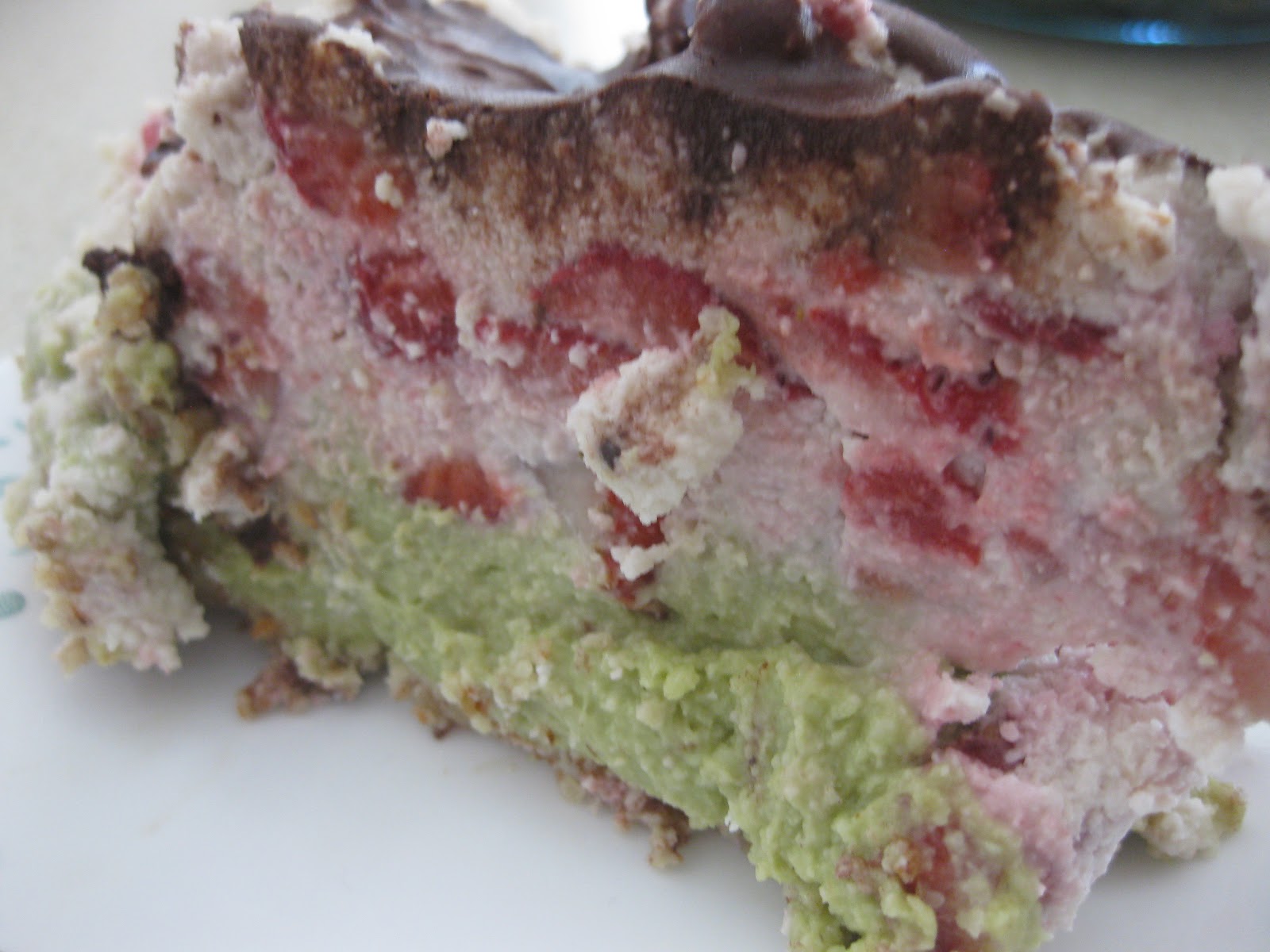
Avocado and Strawberry “Cream Pie"


It's time for avocados and strawberries, this is a delicious dessert that I think you will be surprised on how good it taste.
Avocado and Strawberry “Cream Pie"
Serves 8-10
Crust:
  • 1 1/2 cups Almonds ( presoaked,)
  • 3 dates, soaked until soft
 Place all ingredients in food processor. Pulse until finely ground and well blended.  Pat into 9″ pie plate. Set aside.
Filling:
  • 3 avocados
  • 1 cup cashews, soaked overnight, rinsed and drained
  • flesh from one thai coconut (about 1 cup)
  • 1/4 cup coconut oil
  • 1/2 cup agave nectar 
Place all ingredients in food processor, process until smooth. Smooth into crust. Refrigerate for at least 3 hours.
Topping:
  • 1 1/2 cups cashews, soaked at least 6 hours, drained and rinsed.
  • 1 cup coconut water 
  • 2/3 cup coconut oil, melted
  • 2 tablespoons raw agave 
  • 2 cups sliced strawberries
Combine all ingredients except strawberries in high speed blender. Blend until smooth. Refrigerate until set (this can take hours). Stir in sliced strawberries. Spoon over pie. 
Glaze:
  • 1/4 cup raw agave nectar
  • 2 tablespoons coconut oil, melted
  • 1/4 cup carob 
Whisk all ingredients together until smooth. Dip spoon in ganache and add to top of pie.

Friday, July 6, 2012

Raw Vegan Truffles Recipe

Raw Vegan Truffles Recipe


ingredients

  • 1 cup almonds 
  • 1 cups brazil nuts ( If you do not have almonds or brazil nuts you can substitute for any kind)
  • 13 dates 
  • 1 cup finely shredded coconut 
  • 2 tbsp cocoa or cacao powder or carob Powder
  • 1 tsp vanilla 

In a food processor with an S blade, process all ingredients, except the cocoa powder, until finely chopped and it all starts to clump together. This takes a minute or two.

Using a plastic rounded tablespoon or melon scooper, scoop out and press to make a half sphere. Use half the mixture to make regular coconut macaroons. Add the cocoa or cacao powder to the remaining mixture and process until well incorporated and then shape with the tablespoon or scooper


Cinnamon, Coconut

add to basic recipe instead of carob or cocoa
  • 1 tsp Cinnamon


Strawberry

add to basic recipe instead of carob or cocoa
  • 1/2 cup chopped strawberries ( I did this in the food processor)

Wednesday, July 4, 2012

Raw Chocolate Cheesecake


Raw Chocolate Cheesecake


Crust 

1 cup Almond meal 
¼ cup  raw cocoa powder or  Carob
3 Tablespoons Agave syrup 
1 teaspoon vanilla extract
1 pinch sea salt
Filling 
2 cups raw cashews, soaked (2Hrs) and rinsed 
¼ cup hazelnut butter (peanut butter works too) 
½ cup coconut oil, melted 
½ cup Agave syrup 
½ cup cocoa powder or carob 
½ cup water 
2 teaspoons salt 
Chocolate Sauce 
⅓ cup coconut oil, melted 
1 teaspoon vanilla 
¼  cup agave syrup 
¼ cup cocoa powder or carob
1- Blend all ingredients together in a food processor until it starts to come together. Press the crust into the bottom of desired pan, about ¼ inch thick. Set aside while you making the filling. 
2 -In a food processor or mixer blend together cashews, maple syrup, water and salt. Mix until totally smooth, scraping down the sides of the processor as necessary. Add cocoa powder, hazelnut butter and coconut oil to the cashew mixture and blend them all together, scraping down again, until mixture is uniformly combined. 
3-Spoon or pipe the filling on top of the crusts. Stick the cheesecake in the freezer until solid all the way through (at least 2 hours for individual cheesecakes, 4 for a large cheesecake). 
4- Once frozen, remove the cheesecake from the pan. If using a silicone mold they will easily pop out. If you have a muffin tin, run a sharp, hot knife around the edges of each cheesecake, flip the tin upside down and give it a few good whacks against the counter. They should start to slowly side out at this point. Be patient, gravity is on your side. If a few minutes have passed and the cheesecakes are still refusing to drop, use a lighter to heat the bottom of the tin briefly; the heat will help release the cake. 
5-Place the cheesecakes in the refrigerator and make the chocolate sauce.

Wednesday, May 30, 2012

Raw Kale Salad


1 bunch of Kale
1 tbsp. lemon juice
2 tbsp. agave nectar
1 red bell pepper, sliced
2 tbsp. olive oil
1 tsp. salt

Wash, remove stalks and chop Kale into small pieces.
Mix in the Olive Oil, Lemon Juice, and salt. Squeeze the Kale in handfuls to brake down the leak fibers and make the kale easier to chew. Wait 30 minutes to an hour then add red bell pepper, Agave nectar.
toss together and serve

Friday, March 16, 2012

Rawvioli

Rawvioli

10 Roma tomatoes, thinly sliced
3 garlic cloves, minced
1/2 cup extra virgen cold press olive oil
1/2 tsp sea salt
Place all the ingredients into a large bowl and marinate for 15 minutes.

Nut Cheese

1 cup pine nuts
1/4 cup basil
2 cloves garlic
1/2 cup sunflower seeds
1/2 cup distilled water
1/2 tbsp sea salt or to taste
Put all ingredients into a blender and blend until smooth and creamy.

Assembly

Place a paper towel under the dehydrator screen to catch drips.
Place one tomato slice on the screen, add 1 tsp of the nut cheese and top with another tomato slice. Repeat until all the tomato slice are used. Dehydrate at 105ยบ for eight to nine hours.

Tuesday, March 13, 2012

Study: Red Meat Raises Risk Of Dying, Risk Higher With Processed Meats


Study: Red Meat Raises Risk Of Dying, Risk Higher With Processed Meats

By CBS News


Eating a diet heavy in red meat has been tied to added risk for cancer, diabetes and heart disease. It shouldn't be surprising then that a new study found eating red meat every day appears to increase a person's chances of dying from a chronic disease by 12 percent.
For the study, published online in the March 12 issue of Archives of Internal Medicine, Harvard researchers analyzed data from two dietary studies that tracked nearly 37,700 men and 83,600 women for 28 years.
The researchers found overall that there were 23,900 deaths, including 5,900 from heart disease and nearly 9,500 from cancer. When the researchers looked closely at dietary habits, red meat took the cake when it came to raising death risk.
A daily serving of processed meat increased death risk by 20 percent, the study found, while a once-per-day serving of unprocessed red meat was tied to a 13 percent increase in overall mortality risk. According to the study authors, nearly 9 percent of deaths in men and 8 percent of deaths in women from the study could have been prevented if participants ate less than half a serving of red meat per day.
"We found that a higher intake of red meat was associated with a significantly elevated risk of total, CVD and cancer mortality, and this association was observed for unprocessed and processed red meat, with a relatively greater risk for processed red meat," the authors wrote in the study.
When it comes to red meat research, the findings are not in the carnivore's favor.
Previous research by study author Dr. An Pan, a nutrition researcher at the Harvard School of Public Health in Boston, found eating red meat - particularly when its processed - raised a person's risk for type 2 diabetes by 19 percent. A January study found that for every 50 grams of processed meat a person eats per day - which can be as little as one sausage link - raised a person's risk for pancreatic cancer by 19 percent.
A 2010 study showed that people who ate the most red meat among study participants were 79 percent more likely to develop cancer of the stomach and esophagus. Another study that year found processed red meats were tied to a 30 percent increased risk for bladder cancer.
The bottom line?
"We should move to a more plant-based diet," study co-author Dr. Frank Hu, a professor of nutrition and epidemiology at the Harvard School of Public Health, told HealthDay. "This can substantially reduce the risk of chronic disease and the risk of premature death."
In fact, the study found replacing red meat with healthier alternatives reduced a person's risk of dying.
Replacing one serving of red meat with one serving of fish was tied to a 7 percent death risk reduction, with poultry the risk fell 14 percent, nuts 19 percent, legumes 10 percent, low-fat dairy products 10 percent or whole grains daily was associated with a 14 percent lower risk of dying.
Since meat is a big protein component of many Americans' diets, what can be done to reduce death risk?
In an accompanying commentary published in the same journal issue, Dr. Dean Ornish, clinical professor of medicine at the University of California, San Francisico, said way for Americans to eat is with a diet that contains little or no red meat and is high in "good carbs" - which include vegetables, fruits, whole grains, and natural soy products - and low in "bad carbs" - such as simple and refined carbohydrates, sugars, white flour, and high fructose corn syrup, and high in "good fats" found in fish oil.
"We have a spectrum of choices, it's not all or nothing," Ornish wrote.
Ornish is the namesake behind the "Ornish diet," which limits fat intake to 10 percent of daily caloric intake, compared with the government's recommended 20 to 35 percent of caloric intake. It was ranked by U.S. News as the top diet for heart health, but experts said it might be somewhat difficult to follow and tough for some dieters to give up fatty animal foods.
Other experts suggest simply following the U.S. Department of Agriculture's new MyPlate nutrition icon, which offers dietary guidelines for healthy eating.
"The message is simple," Dr. Robert Graham, internist at Lenox Hill Hospital in New York City, told HealthPop in an email. "In concordance with the "choose my plate campaign" eat less meat and more fruits and vegetables (half of your plate).
To track food consumption and for health tips, visit the USDA's SuperTracker.


WKRG.com © Copyright 2012 Media General Communications Holdings, LLC. A Media General company.

LinkWithin

Related Posts with Thumbnails